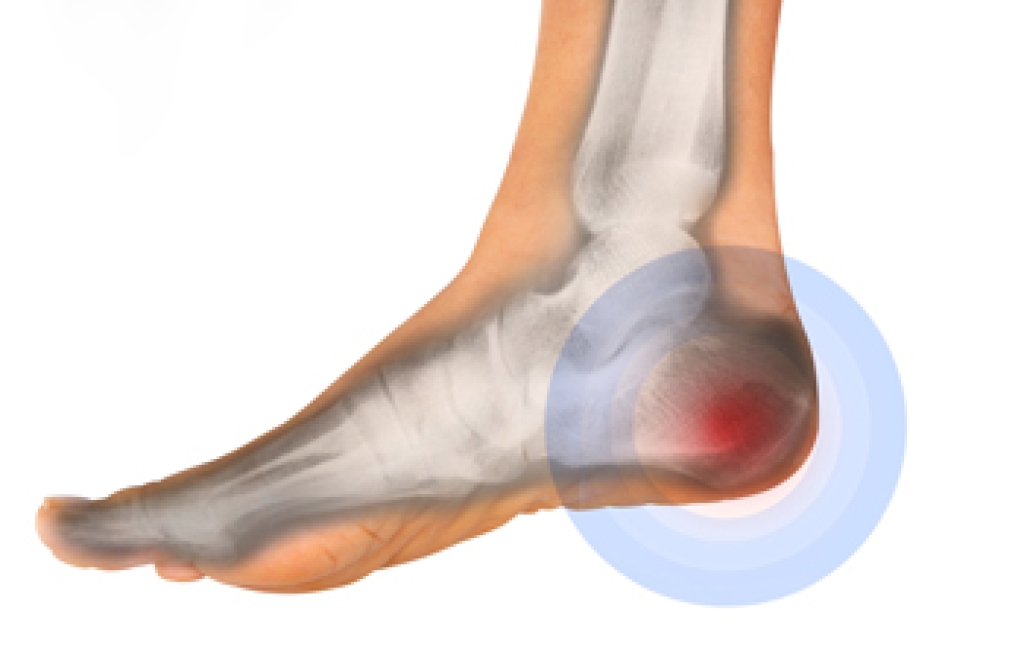
Causes of Heel Bone Fractures

A heel bone fracture can happen when a powerful force drives the heel against a hard surface. Falls from heights and motor vehicle crashes are leading causes. A severe ankle twist can also crack the heel bone, called the calcaneus. Pain, swelling, and bruising can develop quickly. Some patients cannot place weight on the foot, while those with a minor fracture may walk with a limp. The heel can look wider, shorter, or misshapen when pieces of bone move out of position. Because the force may injure other areas, a complete medical evaluation is needed.

A podiatrist examines the foot and ankle for tenderness, skin damage, and changes in heel shape. This also includes checking blood flow, feeling, and toe movement. X-rays can confirm the break and show whether bone pieces have shifted. A CT scan creates detailed pictures and helps the podiatrist understand the fracture pattern. Treatment depends on the injury, the position of the broken pieces, and tissue damage. A cast, splint, or brace can hold a stable fracture in place. Patients must avoid placing weight on the injured foot while the bone heals. When fragments have moved or the heel has lost its normal shape, surgery may be required to realign and secure the bone.

Recovery from a heel bone fracture can take several months, especially after a high-impact injury. The podiatrist monitors healing with examinations and imaging, then advises when weight-bearing can increase. Custom orthotics may improve support and reduce pressure inside the shoe. After treatment, some patients develop stiffness, swelling, or pain. Arthritis can form if the fracture damages the joint below the ankle. These problems may affect balance on uneven ground and make demanding work difficult. Prompt diagnosis helps the podiatrist protect the skin, restore heel alignment, and reduce further problems. If you have injured your heel, it is suggested that you promptly schedule an appointment with a podiatrist for a diagnosis and appropriate treatment.

Many people suffer from bouts of heel pain. For more information, contact one of our podiatrists of Redwood Podiatry Group. Our doctors can provide the care you need to keep you pain-free and on your feet.

Causes of Heel Pain

Heel pain is often associated with plantar fasciitis. The plantar fascia is a band of tissues that extends along the bottom of the foot. A rip or tear in this ligament can cause inflammation of the tissue.

Achilles tendonitis is another cause of heel pain. Inflammation of the Achilles tendon will cause pain from fractures and muscle tearing. Lack of flexibility is also another symptom.

Heel spurs are another cause of pain. When the tissues of the plantar fascia undergo a great deal of stress, it can lead to ligament separation from the heel bone, causing heel spurs.

Why Might Heel Pain Occur?

  • Wearing ill-fitting shoes                
  • Wearing non-supportive shoes
  • Weight change           
  • Excessive running

Treatments

Heel pain should be treated as soon as possible for immediate results. Keeping your feet in a stress-free environment will help. If you suffer from Achilles tendonitis or plantar fasciitis, applying ice will reduce the swelling. Stretching before an exercise like running will help the muscles. Using all these tips will help make heel pain a condition of the past.

If you have any questions, please feel free to contact our offices located in Eureka and Arcata, CA . We offer the newest diagnostic and treatment technologies for all your foot care needs.

Read more about Heel Pain

Do Heel Cups Help With Plantar Fasciitis?

Plantar fasciitis causes pain where a strong band of tissue runs along the bottom of the foot. This band, called the plantar fascia, connects the heel bone to the toes. Repeated strain can irritate it. Pain is sharpest with the first steps after resting, and can return after long periods of standing. Running, a sudden increase in activity, and shoes that lack proper support can place added stress on the area.

Heel cups are small inserts that sit beneath and around the heel inside a shoe. They are usually made of gel, foam, or firm plastic. By cradling the heel, a cup can provide cushioning and help spread pressure across a wider area. It can also raise the heel slightly, which may reduce tension on the plantar fascia. However, heel cups do not correct every cause of plantar fasciitis. The wrong size can slide, crowd the shoe, or change how the foot rests. A heel cup should fit securely in a supportive shoe without forcing the toes forward. Patients should also understand that a softer product is not always the best choice. The right amount of firmness depends on the foot, symptoms, and daily activities.

A podiatrist can determine whether a heel cup is appropriate by examining the heel and checking how the foot moves. The evaluation includes a review of when the pain began and which activities make it worse. The podiatrist can also rule out problems like a stress fracture, nerve irritation, or damage to the heel's natural padding. Treatment can include professionally selected heel cups, supportive shoe recommendations, or custom orthotics. A podiatrist can adjust these devices so they support the foot without creating pressure elsewhere. Follow-up visits allow the podiatrist to check progress and change the treatment plan when pain continues. If you have heel pain, it is suggested that you schedule an appointment with a podiatrist for a diagnosis and appropriate treatment.

Plantar fasciitis can be very painful and inconvenient. If you are experiencing heel pain or symptoms of plantar fasciitis, contact one of our podiatrists  from Redwood Podiatry Group. Our doctors can provide the care you need to keep you pain-free and on your feet.

What Is Plantar Fasciitis?

Plantar fasciitis is the inflammation of the thick band of tissue that runs along the bottom of your foot, known as the plantar fascia, and causes mild to severe heel pain.

What Causes Plantar Fasciitis?

  • Excessive running
  • Non-supportive shoes
  • Overpronation
  • Repeated stretching and tearing of the plantar fascia

How Can It Be Treated?

  • Conservative measures – anti-inflammatories, ice packs, stretching exercises, physical therapy, orthotic devices
  • Shockwave therapy – sound waves are sent to the affected area to facilitate healing and are usually used for chronic cases of plantar fasciitis
  • Surgery – usually only used as a last resort when all else fails. The plantar fascia can be surgically detached from the heel

While very treatable, plantar fasciitis is definitely not something that should be ignored. Especially in severe cases, speaking to your doctor right away is highly recommended to avoid complications and severe heel pain. Your podiatrist can work with you to provide the appropriate treatment options tailored to your condition.

If you have any questions, please feel free to contact our offices located in Eureka and Arcata, CA . We offer the newest diagnostic and treatment technologies for all your foot care needs.

Read more about Plantar Fasciitis

Are You Suffering From Nerve Damage?

Neuropathy is a condition that can lead to numbness or loss of sensation in the feet, but it can also cause pain. This condition is more likely to develop for those who are diabetic, obese, or with high blood pressure.

When Foot Cramps Require a Podiatrist Visit

A foot cramp occurs when a muscle suddenly tightens and does not relax. The arch is a frequent location, but cramping can also affect the toes or other parts of the foot. A cramp can feel like a dull ache, a hard knot, or sharp pain. It can last for seconds or several minutes. Some cramps happen after intense exercise because tired muscles can contract without warning. Others develop at night and interrupt sleep. Dehydration is another frequent cause because muscles need enough fluid to work properly. Staying hydrated is important, especially in hot weather or when exercising.

Foot cramps can also develop when the body has an imbalance of minerals that support muscle and nerve function. These minerals include potassium, sodium, and magnesium. Poor circulation can contribute because foot muscles may not receive enough oxygen and nutrients. Nerve damage linked to diabetes or a foot injury can cause cramping. Wearing tight shoes may place pressure on a nerve and worsen symptoms. Pregnancy, kidney disease, and thyroid problems are other causes. A podiatrist can evaluate cramps that are severe, happen frequently, or continue without a clear reason. Weakness, swelling, or skin redness also deserves medical attention.

A podiatrist can review the patient’s health history, activity level, and symptoms. The examination can assess circulation, nerve function, and muscle strength. The podiatrist may examine foot structure and check whether the patient’s shoes fit correctly and provide proper support. Blood tests can identify mineral imbalances or health problems that contribute to cramping. Nerve tests or imaging scans may be recommended when symptoms suggest nerve damage or another foot condition. Treatment depends on the cause and can involve changes in exercise, custom-fitted orthotics, or guidance on choosing better-fitting shoes. If you have frequent foot cramps, it is suggested that you schedule an appointment with a podiatrist for a diagnosis and appropriate treatment.

Foot Pain

Foot pain can be extremely painful and debilitating. If you have a foot pain, consult with one of our podiatrists from Redwood Podiatry Group. Our doctors will assess your condition and provide you with quality foot and ankle treatment.

Causes

Foot pain is a very broad condition that could be caused by one or more ailments. The most common include:

  • Bunions
  • Hammertoes
  • Plantar Fasciitis
  • Bone Spurs
  • Corns
  • Tarsal Tunnel Syndrome
  • Ingrown Toenails
  • Arthritis (such as Gout, Rheumatoid, and Osteoarthritis)
  • Flat Feet
  • Injury (from stress fractures, broken toe, foot, ankle, Achilles tendon ruptures, and sprains)
  • And more

Diagnosis

To figure out the cause of foot pain, podiatrists utilize several different methods. This can range from simple visual inspections and sensation tests to X-rays and MRI scans. Prior medical history, family medical history, and any recent physical traumatic events will all be taken into consideration for a proper diagnosis.

Treatment

Treatment depends upon the cause of the foot pain. Whether it is resting, staying off the foot, or having surgery; podiatrists have a number of treatment options available for foot pain.

If you have any questions, please feel free to contact our offices located in Eureka and Arcata, CA . We offer the newest diagnostic and treatment technologies for all your foot care needs.

Read more about Foot Pain

Restaurant Jobs Serve Up Pressure on the Feet

Restaurant workers spend much of each shift standing, walking, and turning quickly on hard floors. These demands can place stress on the heels, arches, and balls of the feet. Fast movement also raises the risk of strains and falls on wet or greasy surfaces. Foot pain in restaurant workers often begins as a dull ache after work, then becomes sharper or persistent. Other warning signs include swelling, numbness, and burning. Pain can change the way a worker stands or walks, placing added strain on the ankles, knees, and lower back.

Shoes play an important role in safety and foot comfort. Restaurant workers should choose shoes with slip-resistant soles, firm arch support, and a secure heel. A proper fit helps prevent rubbing, pressure spots, and painful blisters. However, even well-made work shoes can lose cushioning and support with use. Long shifts can contribute to heel pain, arch strain, or irritation of the thick band of tissue along the bottom of the foot. This tissue is called the plantar fascia. Symptoms should not be ignored when they continue between shifts or interfere with movement.

A podiatrist can determine why the pain is developing and check for problems related to foot shape, joint movement, or nerve health. The examination can include an assessment of how the patient stands and walks. Imaging tests can help identify a fracture or joint damage when the doctor suspects a deeper injury. Treatment options include custom orthotics, padding, or changes to work shoes. A podiatrist can also recommend ways to reduce pressure on painful areas while maintaining workplace safety. Early care can prevent a minor problem from becoming harder to manage and help restaurant workers remain active on the job. If you have foot pain from working on your feet, it is suggested that you schedule an appointment with a podiatrist for effective relief tips, and guidance on choosing shoes for your workday.

While working on the feet, it is important to take the proper care of them. For more information about working on your feet, contact one of our podiatrists from Redwood Podiatry Group. Our doctors will treat your foot and ankle needs.

Working on Your Feet

Standing on your feet for long periods of time can cause stress and pain in your feet. Your whole body may experience change in terms of posture, back pain, bunions, callouses and or plantar warts. There are ways to avoid these conditions with proper foot care, smart choices and correct posture.

Positive Changes

Negative heeled shoe – Choosing this shoe type places the heel slightly lower than the ball of the foot. These are great for overall foot health. Find shoes that fit you correctly.

Go barefoot – Our feet were not designed to be enclosed for all hours of the day. Try to periodically expose your feet to air.

Eliminate Pain

Foot Exercises – Performing simple exercises, incorporating yoga and doing stretches are beneficial. This will allow increased blood flow to the area and muscles of the foot.

Achilles tendon – Stretching the foot out flat on the floor will relax the calf muscles and tendon. These exercises can be performed almost anywhere. Make sure you add these exercises to your daily regimen. 

With a little bit of this information and knowing more about foot health, you will notice changes. Foot stretches and proper footwear will help with pain and prevent further issues.

If you have any questions please contact our offices located in Eureka and Arcata, CA . We offer the newest diagnostic and treatment technologies for all your foot and ankle needs.

Read more about Working on Your Feet

Connect With Us