Connect With Us
Blog
Items filtered by date: October 2024
Thursday, 31 October 2024 00:00
Wounds That Don't Heal Need to Be Checked

Your feet are covered most of the day. If you're diabetic, periodic screening is important for good health. Numbness is often a sign of diabetic foot and can mask a sore or wound.
Tuesday, 29 October 2024 00:00
Causes and Treatment of Heel Pain

Heel pain is a common complaint that can arise from several causes. The most frequent cause is plantar fasciitis, an inflammation of the thick band of tissue connecting the heel to the toes. Other common causes include Achilles tendonitis, heel spurs, or overuse from activities like running. Less common causes include stress fractures, nerve entrapment, or tarsal tunnel syndrome. Symptoms typically include sharp or aching pain, often worse in the morning or after long periods of rest. Swelling, redness, or stiffness may accompany the pain. Diagnosis involves a physical examination and sometimes imaging tests like X-rays or MRI scans to rule out fractures or other conditions. Treatment depends on the cause but often includes rest and wearing supportive shoes. A podiatrist may recommend orthotics or targeted exercises, and in rare cases, surgery may be necessary for more severe conditions. If you are experiencing heel pain, it is suggested that you visit a podiatrist for a proper diagnosis and appropriate treatment.
Many people suffer from bouts of heel pain. For more information, contact one of our podiatrists of Redwood Podiatry Group. Our doctors can provide the care you need to keep you pain-free and on your feet.
Causes of Heel Pain
Heel pain is often associated with plantar fasciitis. The plantar fascia is a band of tissues that extends along the bottom of the foot. A rip or tear in this ligament can cause inflammation of the tissue.
Achilles tendonitis is another cause of heel pain. Inflammation of the Achilles tendon will cause pain from fractures and muscle tearing. Lack of flexibility is also another symptom.
Heel spurs are another cause of pain. When the tissues of the plantar fascia undergo a great deal of stress, it can lead to ligament separation from the heel bone, causing heel spurs.
Why Might Heel Pain Occur?
- Wearing ill-fitting shoes
- Wearing non-supportive shoes
- Weight change
- Excessive running
Treatments
Heel pain should be treated as soon as possible for immediate results. Keeping your feet in a stress-free environment will help. If you suffer from Achilles tendonitis or plantar fasciitis, applying ice will reduce the swelling. Stretching before an exercise like running will help the muscles. Using all these tips will help make heel pain a condition of the past.
If you have any questions please contact our offices located in Eureka and Arcata, CA . We offer the newest diagnostic and treatment technologies for all your foot and ankle needs.
Tuesday, 22 October 2024 00:00
Common Diabetic Foot Problems
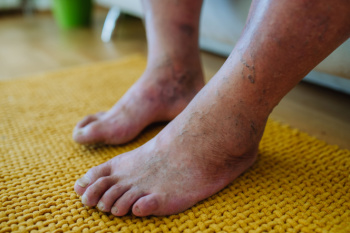
Foot problems in diabetic patients are a leading cause of lower extremity amputations, often resulting from poor circulation and nerve damage, or neuropathy. Diabetes can reduce sensation in the feet, making it difficult to notice injuries like cuts, blisters, or ulcers. These minor injuries can easily become infected, and due to poor healing capacity, infections may worsen and lead to more severe symptoms, if not treated promptly. Regular foot screenings are essential for diabetic patients and education plays a critical role in diabetic foot care. If you have diabetes, it is strongly suggested that you have your feet checked by a podiatrist regularly for early detection of potential complications.
Diabetic foot care is important in preventing foot ailments such as ulcers. If you are suffering from diabetes or have any other concerns about your feet, contact one of our podiatrists from Redwood Podiatry Group. Our doctors can provide the care you need to keep you pain-free and on your feet.
Diabetic Foot Care
Diabetes affects millions of people every year. The condition can damage blood vessels in many parts of the body, especially the feet. Because of this, taking care of your feet is essential if you have diabetes, and having a podiatrist help monitor your foot health is highly recommended.
The Importance of Caring for Your Feet
- Routinely inspect your feet for bruises or sores.
- Wear socks that fit your feet comfortably.
- Wear comfortable shoes that provide adequate support.
Patients with diabetes should have their doctor monitor their blood levels, as blood sugar levels play such a huge role in diabetic care. Monitoring these levels on a regular basis is highly advised.
It is always best to inform your healthcare professional of any concerns you may have regarding your feet, especially for diabetic patients. Early treatment and routine foot examinations are keys to maintaining proper health, especially because severe complications can arise if proper treatment is not applied.
If you have any questions please feel free to contact our offices located in Eureka and Arcata, CA . We offer the newest diagnostic and treatment technologies for all your foot and ankle needs.
Tuesday, 15 October 2024 00:00
Problematic Flat Feet
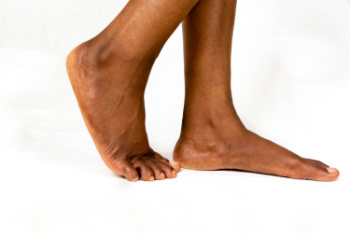
Flat feet, or fallen arches, occur when the arch of the foot is lower than normal. Children are often born with flat feet, and in most cases, the condition naturally resolves by the age of seven to 10 as the foot develops. Flat feet are classified based on arch height and heel aversion angle and can be either flexible or rigid. In flexible flat feet, the arch appears when the foot is lifted but disappears when standing, while rigid flat feet have no arch even when off the ground. Flat feet can be caused by genetics, injury, or conditions like arthritis. Symptoms include foot pain, particularly in the heel or arch, and difficulty standing for long periods. Pain occurs due to abnormal pressure on muscles and ligaments. Treatment includes supportive footwear, orthotics, and targeted stretching. In severe cases, surgery may be considered to correct alignment and relieve discomfort. If you have painful flat feet, it is suggested that you schedule an appointment with a podiatrist for appropriate treatment.
Flatfoot is a condition many people suffer from. If you have flat feet, contact one of our podiatrists from Redwood Podiatry Group. Our doctors will treat your foot and ankle needs.
What Are Flat Feet?
Flatfoot is a condition in which the arch of the foot is depressed and the sole of the foot is almost completely in contact with the ground. About 20-30% of the population generally has flat feet because their arches never formed during growth.
Conditions & Problems:
Having flat feet makes it difficult to run or walk because of the stress placed on the ankles.
Alignment – The general alignment of your legs can be disrupted, because the ankles move inward which can cause major discomfort.
Knees – If you have complications with your knees, flat feet can be a contributor to arthritis in that area.
Symptoms
- Pain around the heel or arch area
- Trouble standing on the tip toe
- Swelling around the inside of the ankle
- Flat look to one or both feet
- Having your shoes feel uneven when worn
Treatment
If you are experiencing pain and stress on the foot you may weaken the posterior tibial tendon, which runs around the inside of the ankle.
If you have any questions please feel free to contact our offices located in Eureka and Arcata, CA . We offer the newest diagnostic and treatment technologies for all your foot and ankle needs.
Tuesday, 08 October 2024 00:00
The Proper Healing of a Broken Ankle
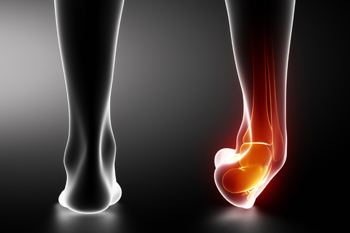
Proper healing of a broken ankle requires timely medical attention, effective treatment, and careful rehabilitation. Treatment depends on the severity of the fracture. For minor fractures, non-surgical options like casting or using a walking boot may be sufficient to immobilize the ankle, allowing the bone to heal. More severe fractures, where the bone is misaligned or displaced, often require surgery using screws or plates to stabilize the bone. During recovery, rest and elevating the ankle can help to reduce swelling. Using crutches or a walker prevents putting weight on the ankle until cleared by a doctor. Targeted exercises play a critical role in regaining strength, mobility, and balance after the bone heals. Full recovery can take several weeks to months, depending on the injury's severity. If you have broken your ankle, it is strongly suggested that you visit a podiatrist as quickly as possible for a proper diagnosis and medical advice.
Broken ankles need immediate treatment. If you are seeking treatment, contact one of our podiatrists from Redwood Podiatry Group. Our doctors can provide the care you need to keep you pain-free and on your feet.
Broken Ankles
A broken ankle is experienced when a person fractures their tibia or fibula in the lower leg and ankle area. Both of these bones are attached at the bottom of the leg and combine to form what we know to be our ankle.
When a physician is referring to a break of the ankle, he or she is usually referring to a break in the area where the tibia and fibula are joined to create our ankle joint. Ankles are more prone to fractures because the ankle is an area that suffers a lot of pressure and stress. There are some obvious signs when a person experiences a fractured ankle, and the following symptoms may be present.
Symptoms of a Fractured Ankle
- Excessive pain when the area is touched or when any pressure is placed on the ankle
- Swelling around the area
- Bruising of the area
- Area appears to be deformed
If you suspect an ankle fracture, it is recommended to seek treatment as soon as possible. The sooner you have your podiatrist diagnose the fracture, the quicker you’ll be on the way towards recovery.
If you have any questions, please feel free to contact our offices located in Eureka and Arcata, CA . We offer the newest diagnostic and treatment technologies for all your foot care needs.
Tuesday, 01 October 2024 00:00
Gait and Balance Disorders in Seniors
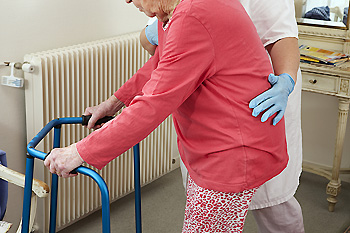
Gait and balance disorders are prevalent among the elderly, often leading to increased fall risk and decreased mobility. Falling can seriously impact the feet, and may cause pain, discomfort and difficulty in completing daily activities. These disorders can arise from various causes, including muscle weakness, joint stiffness, neurological conditions, and medications. Symptoms typically involve unsteady walking, difficulty maintaining balance, and frequent falls. Diagnosing these issues often involves the Timed Up and Go Test, where a person is timed as they rise from a chair, walk a short distance, and return to the chair. This test helps evaluate the individual's mobility, balance, and risk of falling. If you or someone you know has fallen without an obvious cause, it is suggested that you schedule an appointment with a podiatrist who can treat various foot conditions and determine the cause of falling.
Preventing falls among the elderly is very important. If you are older and have fallen or fear that you are prone to falling, consult with one of our podiatrists from Redwood Podiatry Group. Our doctors will assess your condition and provide you with quality advice and care.
Every 11 seconds, an elderly American is being treated in an emergency room for a fall related injury. Falls are the leading cause of head and hip injuries for those 65 and older. Due to decreases in strength, balance, senses, and lack of awareness, elderly persons are very susceptible to falling. Thankfully, there are a number of things older persons can do to prevent falls.
How to Prevent Falls
Some effective methods that older persons can do to prevent falls include:
- Enrolling in strength and balance exercise program to increase balance and strength
- Periodically having your sight and hearing checked
- Discuss any medications you have with a doctor to see if it increases the risk of falling
- Clearing the house of falling hazards and installing devices like grab bars and railings
- Utilizing a walker or cane
- Wearing shoes that provide good support and cushioning
- Talking to family members about falling and increasing awareness
Falling can be a traumatic and embarrassing experience for elderly persons; this can make them less willing to leave the house, and less willing to talk to someone about their fears of falling. Doing such things, however, will increase the likelihood of tripping or losing one’s balance. Knowing the causes of falling and how to prevent them is the best way to mitigate the risk of serious injury.
If you have any questions, please feel free to contact our offices located in Eureka and Arcata, CA . We offer the newest diagnostic and treatment technologies for all your foot care needs.
