Connect With Us
Blog
Items filtered by date: April 2025
Tuesday, 22 April 2025 00:00
Caring for Heel Pressure Ulcers
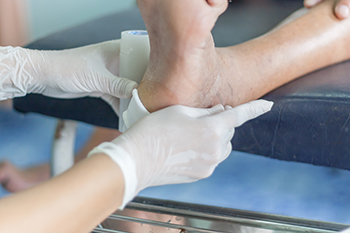
Heel pressure ulcers develop when prolonged pressure cuts off blood flow to the skin, often in people with limited mobility or underlying health conditions. These wounds can be painful, slow to heal, and prone to infection if not properly managed. Treatment begins by relieving pressure on the area. This might involve special cushions, offloading boots, or frequent repositioning. Keeping the skin clean and moisturized helps prevent further breakdown. A podiatrist may use dressings designed to promote healing and protect against bacteria. In more advanced cases, debridement or advanced wound therapies may be needed. Managing diabetes or circulation issues is also key to recovery. With consistent care, many pressure ulcers can heal and be prevented from returning. If you or a loved one has a sore on the heel that is not improving, it is suggested that you seek help from a podiatrist as quickly as possible.
Wound care is an important part in dealing with diabetes. If you have diabetes and a foot wound or would like more information about wound care for diabetics, consult with one of our podiatrists from Redwood Podiatry Group. Our doctors will assess your condition and provide you with quality foot and ankle treatment.
What Is Wound Care?
Wound care is the practice of taking proper care of a wound. This can range from the smallest to the largest of wounds. While everyone can benefit from proper wound care, it is much more important for diabetics. Diabetics often suffer from poor blood circulation which causes wounds to heal much slower than they would in a non-diabetic.
What Is the Importance of Wound Care?
While it may not seem apparent with small ulcers on the foot, for diabetics, any size ulcer can become infected. Diabetics often also suffer from neuropathy, or nerve loss. This means they might not even feel when they have an ulcer on their foot. If the wound becomes severely infected, amputation may be necessary. Therefore, it is of the upmost importance to properly care for any and all foot wounds.
How to Care for Wounds
The best way to care for foot wounds is to prevent them. For diabetics, this means daily inspections of the feet for any signs of abnormalities or ulcers. It is also recommended to see a podiatrist several times a year for a foot inspection. If you do have an ulcer, run the wound under water to clear dirt from the wound; then apply antibiotic ointment to the wound and cover with a bandage. Bandages should be changed daily and keeping pressure off the wound is smart. It is advised to see a podiatrist, who can keep an eye on it.
If you have any questions, please feel free to contact our offices located in Eureka and Arcata, CA . We offer the newest diagnostic and treatment technologies for all your foot care needs.
Tuesday, 15 April 2025 00:00
Anterior Tibial Tendonitis and Why It Happens
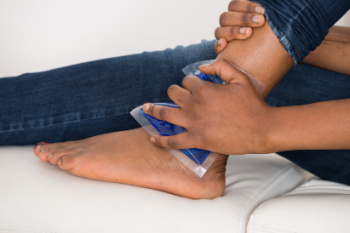
Anterior tibial tendonitis is the inflammation of the tendon that runs along the front of the ankle and connects the shin to the foot. This condition develops when the tendon becomes irritated or overused, often due to repetitive stress from walking, running, or activities that involve frequent ankle movement. Common symptoms include pain along the front of the ankle or shin, swelling, and stiffness, especially during or after activity. The discomfort may worsen when walking uphill or climbing stairs. Risk factors include overuse, sudden increases in activity, improper footwear, flat feet, or weak supporting muscles. Individuals who are active or have biomechanical imbalances may be more prone to developing this condition. If you have ankle pain, it is suggested that you consult a podiatrist who can offer effective treatment solutions.
Ankle pain can be caused by a number of problems and may be potentially serious. If you have ankle pain, consult with one of our podiatrists from Redwood Podiatry Group. Our doctors will assess your condition and provide you with quality foot and ankle treatment.
Ankle pain is any condition that causes pain in the ankle. Due to the fact that the ankle consists of tendons, muscles, bones, and ligaments, ankle pain can come from a number of different conditions.
Causes
The most common causes of ankle pain include:
- Types of arthritis (rheumatoid, osteoarthritis, and gout)
- Ankle sprains
- Broken ankles
- Achilles tendonitis
- Achilles tendon rupture
- Stress fractures
- Bursitis
- Tarsal tunnel syndrome
- Plantar fasciitis
Symptoms
Symptoms of ankle injury vary based upon the condition. Pain may include general pain and discomfort, swelling, aching, redness, bruising, burning or stabbing sensations, and/or loss of sensation.
Diagnosis
Due to the wide variety of potential causes of ankle pain, podiatrists will utilize a number of different methods to properly diagnose ankle pain. This can include asking for personal and family medical histories and of any recent injuries. Further diagnosis may include sensation tests, a physical examination, and potentially x-rays or other imaging tests.
Treatment
Just as the range of causes varies widely, so do treatments. Some more common treatments are rest, ice packs, keeping pressure off the foot, orthotics and braces, medication for inflammation and pain, and surgery.
If you have any questions, please feel free to contact our offices located in Eureka and Arcata, CA . We offer the newest diagnostic and treatment technologies for all your foot care needs.
Tuesday, 08 April 2025 00:00
Overuse Injuries in Midlife Players May Cause Pickleball Pain

Middle-aged pickleball players are finding themselves sidelined by overuse injuries as the sport’s popularity surges. While the fast pace and fun atmosphere attract players in their 40s, 50s, and beyond, repetitive movements can take a toll on joints, tendons, and muscles. Common injuries include tennis elbow, shoulder strain, Achilles tendonitis, and plantar fasciitis, often caused by poor form, wearing improper footwear, or skipping warmups. Many players do not realize that frequent play without recovery increases the risk of chronic pain. Courts are packed with players who have not played sports in years, and their bodies are adjusting under pressure. Listening to your body, resting when sore, and adding strength and flexibility exercises can go a long way. If pain persists or interferes with play, it is smart to seek professional care. It is suggested that you see a podiatrist who can evaluate foot and ankle health and help prevent small problems from turning into long-term injuries.
Ankle and foot injuries are common among athletes and in many sports. They can be caused by several problems and may be potentially serious. If you are feeling pain or think you were injured in a sporting event or when exercising, consult with one of our podiatrists from Redwood Podiatry Group. Our doctors will assess your condition and provide you with quality foot and ankle treatment.
Common Injuries
The most common injuries that occur in sporting activities include:
- Achilles Tendonitis
- Achilles Tendon Rupture
- Ankle Sprains
- Broken Foot
- Plantar Fasciitis
- Stress Fractures
- Turf Toe
Symptoms
Symptoms vary depending upon the injury and in some cases, there may be no symptoms at all. However, in most cases, some form of symptom is experienced. Pain, aching, burning, bruising, tenderness, tightness or stiffness, sensation loss, difficulty moving, and swelling are the most common symptoms.
Treatment
Just as symptoms vary depending upon the injury, so do treatment options. A common treatment method is known as the RICE method. This method involves rest, applying ice, compression and elevating the afflicted foot or ankle. If the injury appears to be more serious, surgery might be required, such as arthroscopic or reconstructive surgery. Lastly, rehabilitation or therapy might be needed to gain full functionality in the afflicted area. Any discomfort experienced by an athlete must be evaluated by a licensed, reputable medical professional.
If you have any questions, please feel free to contact our offices located in Eureka and Arcata, CA . We offer the newest diagnostic and treatment technologies for all your foot care needs.
Tuesday, 01 April 2025 00:00
Finding Relief From Plantar Fasciitis Pain
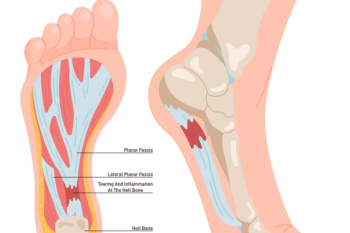
Plantar fasciitis is one of the most common causes of heel pain, affecting people from all walks of life. It happens when the thick band of tissue along the bottom of the foot, the plantar fascia, becomes irritated or inflamed. Many people describe the pain as a sharp, stabbing sensation in the heel, especially with the first steps in the morning or after long periods of rest. Treatment for plantar fasciitis starts with conservative methods. Stretching exercises for the foot and calf, wearing proper footwear, and orthotics can make a significant difference. Anti-inflammatory medications often help reduce pain and swelling. More persistent cases may benefit from advanced options such as corticosteroid injections or possibly surgery. Because plantar fasciitis can worsen without proper care, it is suggested that you schedule an appointment with a podiatrist for an accurate diagnosis and personalized treatment plan.
Plantar fasciitis can be very painful and inconvenient. If you are experiencing heel pain or symptoms of plantar fasciitis, contact one of our podiatrists from Redwood Podiatry Group. Our doctors can provide the care you need to keep you pain-free and on your feet.
What Is Plantar Fasciitis?
Plantar fasciitis is the inflammation of the thick band of tissue that runs along the bottom of your foot, known as the plantar fascia, and causes mild to severe heel pain.
What Causes Plantar Fasciitis?
- Excessive running
- Non-supportive shoes
- Overpronation
- Repeated stretching and tearing of the plantar fascia
How Can It Be Treated?
- Conservative measures – anti-inflammatories, ice packs, stretching exercises, physical therapy, orthotic devices
- Shockwave therapy – sound waves are sent to the affected area to facilitate healing and are usually used for chronic cases of plantar fasciitis
- Surgery – usually only used as a last resort when all else fails. The plantar fascia can be surgically detached from the heel
While very treatable, plantar fasciitis is definitely not something that should be ignored. Especially in severe cases, speaking to your doctor right away is highly recommended to avoid complications and severe heel pain. Your podiatrist can work with you to provide the appropriate treatment options tailored to your condition.
If you have any questions please feel free to contact our offices located in Eureka and Arcata, CA . We offer the newest diagnostic and treatment technologies for all your foot and ankle needs.
