
Have your child's feet been examined lately? Healthy feet are happy feet. If your child is complaining of foot pain, it may be a sign of underlying problems.
Have your child's feet been examined lately? Healthy feet are happy feet. If your child is complaining of foot pain, it may be a sign of underlying problems.

A stress fracture is a small crack in a bone that develops from repetitive force rather than a single injury. It commonly occurs in the feet and ankles due to repeated stress from activities such as walking and running. Causes include sudden increases in running speed or distance, and inadequate recovery time. Symptoms often involve localized pain, swelling, and tenderness that worsens with activity and improves with rest. Risk factors include wearing improper footwear, low bone density, and high-impact sports. A podiatrist can diagnose stress fractures through examination and imaging, provide immobilization strategies, and recommend footwear or orthotics to support healing. Early treatment is essential to prevent worsening injury. If you have symptoms of a foot stress fracture, it is suggested that you consult a podiatrist who can accurately diagnose and offer effective treatment solutions.
Activities where too much pressure is put on the feet can cause stress fractures. To learn more, contact one of our podiatrists from Redwood Podiatry Group. Our doctors can provide the care you need to keep your pain free and on your feet.
Dealing with Stress Fractures of the Foot and Ankle
Stress fractures occur in the foot and ankle when muscles in these areas weaken from too much or too little use. The feet and ankles then lose support when walking or running from the impact of the ground. Since there is no protection, the bones receive the full impact of each step. Stress on the feet can cause cracks to form in the bones, thus creating stress fractures.
What Are Stress Fractures?
Stress fractures occur frequently in individuals whose daily activities cause great impact on the feet and ankles. Stress factors are most common among:
Symptoms
Pain from the fractures occur in the area of the fractures and can be constant or intermittent. It will often cause sharp or dull pain with swelling and tenderness. Engaging in any kind of activity which involves high impact will aggravate pain.
If you have any questions please contact our offices located in Eureka and Arcata, CA . We offer the newest diagnostic and treatment technologies for all your foot and ankle needs.

Extra body weight can place added stress on the feet, especially in older adults. This pressure can affect joints and soft tissue, leading to pain and reduced mobility. Body mass index, a measure of weight compared to height, often rises with age. It is also linked to higher rates of foot pain and deformities like hammertoes and claw toes. Extra weight increases pressure on the soles, which can change how the foot functions while walking. Seniors may notice fatigue, balance problems, or difficulty staying active. Long-term overload may weaken ligaments, which are bands that support joints, and can contribute to arch changes or flat-footed posture. A podiatrist can evaluate foot structure, check alignment, order imaging, and provide medical treatment to reduce strain and improve stability. If you are a senior and have foot problems from carrying extra weight, it is suggested that you schedule an appointment with a podiatrist for appropriate treatment.
The more you weigh, the harder your feet must work to support your body. If you’re an obese individual and are concerned about your feet, contact one of our podiatrists from Redwood Podiatry Group. Our doctors can provide the care you need to keep you pain-free and on your feet.
Obesity and Your Feet
People who are overweight are putting more pressure on their ankles, knees, and hips as well as their feet. This unfortunately can lead to variety of different issues.
Problems & Complications Stemming from Obesity
If you have any questions please contact our offices located in Eureka and Arcata, CA . We offer the newest diagnostic and treatment technologies for all your foot and ankle needs.

Compartment syndrome is a medical emergency that can develop in the foot after a severe injury, like a fracture or crush injury. The foot contains groups of muscles held within tight spaces called compartments, surrounded by a firm tissue known as fascia. When swelling or bleeding occurs, pressure can build inside these spaces and reduce blood flow. This limits oxygen to the muscles and nerves, leading to intense pain, swelling, and a tight or firm feeling in the foot. People may also notice numbness or tingling, often described as a pins-and-needles sensation. Pain may worsen with toe movement. If not treated quickly, compartment syndrome can lead to muscle damage, deformity, and long-term loss of foot function. A podiatrist can conduct a physical exam, order imaging, and perform surgery to relieve pressure. If you have symptoms of compartment syndrome, it is suggested that you make an immediate appointment with a podiatrist for treatment.
Foot and ankle trauma is common among athletes and the elderly. If you have concerns that you may have experienced trauma to the foot and ankle, consult with one of our podiatrists from Redwood Podiatry Group. Our doctors will assess your condition and provide you with quality foot and ankle treatment.
Foot and ankle trauma cover a range of injuries all over the foot; common injuries include:
Symptoms
Symptoms of foot and ankle injuries vary depending on the injury, but more common ones include:
Diagnosis
To properly diagnose the exact type of injury, podiatrists will conduct a number of different tests. Some of these include sensation and visual tests, X-rays, and MRIs. Medical and family histories will also be taken into account.
Treatment
Once the injury has been diagnosed, the podiatrist can than offer the best treatment options for you. In less severe cases, rest and keeping pressure off the foot may be all that’s necessary. Orthotics, such as a specially made shoes, or immobilization devices, like splints or casts, may be deemed necessary. Finally, if the injury is severe enough, surgery may be necessary.
If you have any questions, please feel free to contact our offices located in Eureka and Arcata, CA . We offer the newest diagnostic and treatment technologies for all your foot care needs.
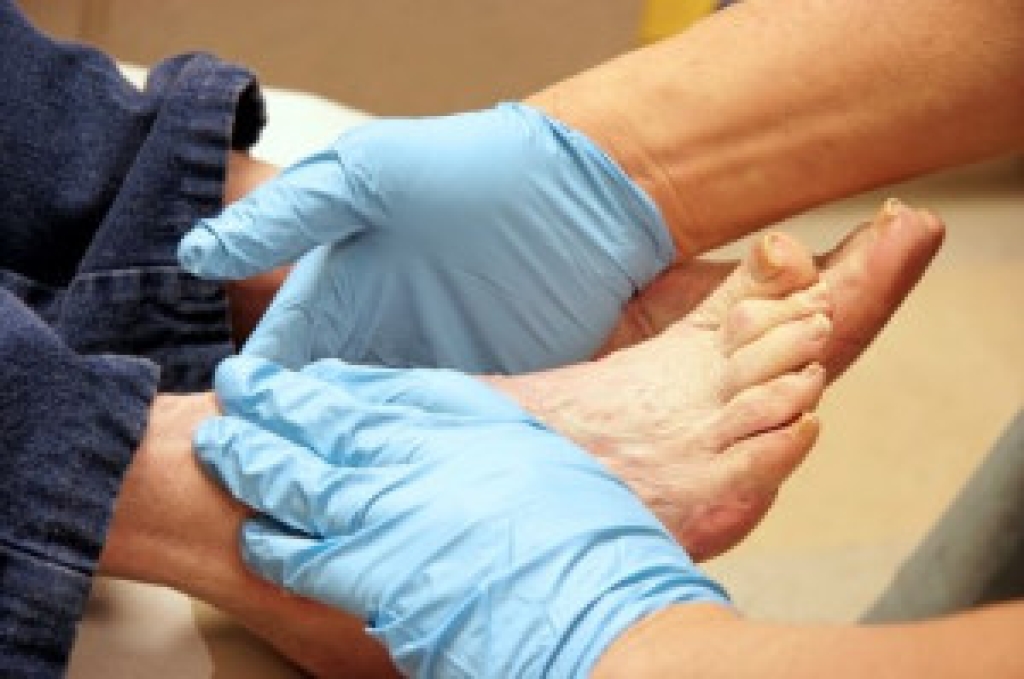
Diabetic limb salvage is a set of treatments aimed at preventing limb loss in people with severe foot complications from diabetes. It is often necessary due to conditions such as a severe form of peripheral artery disease, foot ulcers, or gangrene caused by poor circulation and nerve damage. Risk factors include long-standing diabetes, infection, and delayed wound care. The process involves restoring blood flow, removing infected tissue, and promoting healing through advanced medical care. A podiatrist plays an essential role by identifying problems early, managing wounds, and coordinating care to improve outcomes. If you have diabetes and notice non-healing wounds, discoloration, or severe pain in your feet, it is strongly suggested that you seek prompt professional care from a podiatrist who can guide you toward effective management solutions.
Diabetic Limb Salvage
Diabetic limb salvage can be an effective way in preventing the need for limb amputation. If you have a foot ulcer and diabetes, consult with one of our podiatrists from Redwood Podiatry Group. Our doctors will assess your condition and provide you with quality foot and ankle treatment.
What Is Diabetic Limb Salvage?
Diabetic limb salvage is the attempt of saving a limb, such as the foot, that has an infected ulcer, from amputation. Podiatrists also try to make sure that there is enough function in the foot after the salvage that it is still usable. Those with diabetes experience poor blood circulation, which prevents proper healing of an ulcer. If the ulcer is left uncheck, it could become infected, which could result in the need for amputation.
Diabetes is the number one cause of non-traumatic amputations in the United States. Amputation has been found to lead to higher mortality rates. This translates into higher healthcare costs, and a reduced quality of life and mobility for amputees. Podiatrists have attempted to increase the prevalence of limb salvage in an attempt to solve these issues.
Diagnosis and Treatment
Limb salvage teams have grown in recent years that utilize a number of different treatments to save the infected limb. This includes podiatrists that specialize in wound care, rehabilitation, orthotics, and surgery. Through a combination of these methods, limb salvage has been found to be an effective treatment for infected limbs, and as an alternative to amputation. Podiatrists will first evaluate the potential for limb salvage and determine if the limb can be saved or must be amputated.
If you have any questions, please feel free to contact our offices located in Eureka and Arcata, CA . We offer the newest diagnostic and treatment technologies for all your foot care needs.
Connect With Us
