
Custom orthotics, or shoe inserts, should be periodically replaced. Orthotics must fit properly to give you the best results. Protect your feet and ankles!
Custom orthotics, or shoe inserts, should be periodically replaced. Orthotics must fit properly to give you the best results. Protect your feet and ankles!

Pregnancy brings many changes to the body, and the feet are no exception. As pregnancy progresses, increased body weight and changing hormone levels can place extra stress on the feet and ankles. Many women experience foot pain, swelling, or changes in the shape of their feet during this time. Some also notice that their arches become lower, which can cause the feet to become slightly longer or wider. These changes may affect balance and make standing or walking less comfortable. Because pregnancy-related foot problems can interfere with daily activities, a professional evaluation is important when symptoms become persistent or severe. Early care can help identify the cause of discomfort and determine the most appropriate treatment plan.
Several factors contribute to foot changes during pregnancy. Hormones that help prepare the body for childbirth can also loosen the ligaments that support the feet, making the joints more flexible. Combined with added pressure from weight gain, these changes may increase the risk of flat feet, heel pain, or discomfort in the arches. Swelling around the feet and ankles is also common and may make shoes feel tighter than usual. A comprehensive podiatry examination allows foot structure, joint function, and walking patterns to be carefully evaluated. Identifying these changes early can help reduce discomfort and support healthy foot function throughout pregnancy.
A podiatrist can evaluate pregnancy-related foot pain and recommend treatment based on each patient's individual needs. Professional care focuses on improving comfort, supporting proper foot mechanics, and addressing conditions that may develop during pregnancy. Treatment plans are designed with both maternal health and mobility in mind, while also monitoring changes as pregnancy progresses. Ongoing podiatry care may also help identify developing foot problems before they become more significant after delivery. If you are experiencing foot pain, swelling, or noticeable changes in your feet during pregnancy, it is suggested that you consult a podiatrist for an evaluation and appropriate treatment options.
Pregnant women with swollen feet can be treated with a variety of different methods that are readily available. For more information about other cures for swollen feet during pregnancy, consult with one of our podiatrists from Redwood Podiatry Group. Our doctors will attend to all of your foot and ankle needs.
What Foot Problems Can Arise During Pregnancy?
One problem that can occur is overpronation, which occurs when the arch of the foot flattens and tends to roll inward. This can cause pain and discomfort in your heels while you’re walking or even just standing up, trying to support your baby.
Another problem is edema, or swelling in the extremities. This often affects the feet during pregnancy but tends to occur in the later stages.
How Can I Keep My Feet Healthy During Pregnancy?
If you have any questions, please feel free to contact our offices located in Eureka and Arcata, CA . We offer the newest diagnostic and treatment technologies for all your foot care needs.

Pinky toe pain can develop from injury, pressure, or irritation affecting the smallest toe of the foot. The pinky toe plays an important role in balance and stability, so discomfort in this area can affect walking and daily activities. Common causes include stubbing the toe, fractures, dislocations, and sprains. Other conditions, such as a tailor’s bunion or an ingrown toenail, can also contribute to pain and irritation. Understanding the definition and causes of pinky toe pain can help individuals recognize symptoms and seek proper care.
Symptoms of pinky toe pain may include swelling, bruising, redness, and difficulty wearing shoes. A sudden injury, such as stubbing the toe against a hard surface, can cause immediate pain and swelling. Fractures may result in severe discomfort, bruising, and difficulty putting pressure on the foot. Dislocations can change the position of the toe, while sprains may cause pain from stretched or damaged ligaments. These symptoms can range from mild irritation to significant discomfort depending on the underlying cause.
Risk factors for pinky toe pain include wearing narrow footwear, participating in high-impact activities, and repeated pressure on the toes. A tailor’s bunion develops when the joint near the base of the pinky toe becomes enlarged and irritated, often due to foot structure or shoe pressure. An ingrown toenail can also cause pain when the nail grows into the surrounding skin, leading to tenderness and possible inflammation. Additional causes include accidental injuries, improper footwear, and foot alignment issues.
Proper care depends on the cause of the pinky toe pain. Wearing supportive shoes with enough room for the toes can reduce pressure and improve comfort. Protecting the toe from additional stress and addressing injuries early can support healing. Paying attention to symptoms can help prevent minor issues from becoming more serious. If you have pain in your pinky toe, it is suggested that you consult a podiatrist for an accurate diagnosis and appropriate treatment.
Toe pain can disrupt your daily activities. If you have any concerns, contact one of our podiatrists of Redwood Podiatry Group. Our doctors can provide the care you need to keep you pain-free and on your feet.
What Causes Toe Pain?
Most severe toe pain is caused due to a sports injury, trauma from dropping something heavy on the toe, or bumping into something rigid. Other problems can develop over time for various reasons.
Toe pain can be caused by one or more ailments. The most common include:
When to See a Podiatrist
Diagnosis
In many cases the cause of toe pain is obvious, but in others, a podiatrist may want to use more advanced methods to determine the problem. These can range from simple visual inspections and sensation tests to X-rays and MRI scans. Prior medical history, family medical history, and any recent physical traumatic events will all be taken into consideration for a proper diagnosis.
Treatment
Treatments for toe pain and injuries vary and may include shoe inserts, padding, taping, medicines, injections, and in some cases, surgery. If you believe that you have broken a toe, please see a podiatrist as soon as possible.
If you have any questions please contact our offices located in Eureka and Arcata, CA . We offer the newest diagnostic and treatment technologies for all your foot and ankle needs.
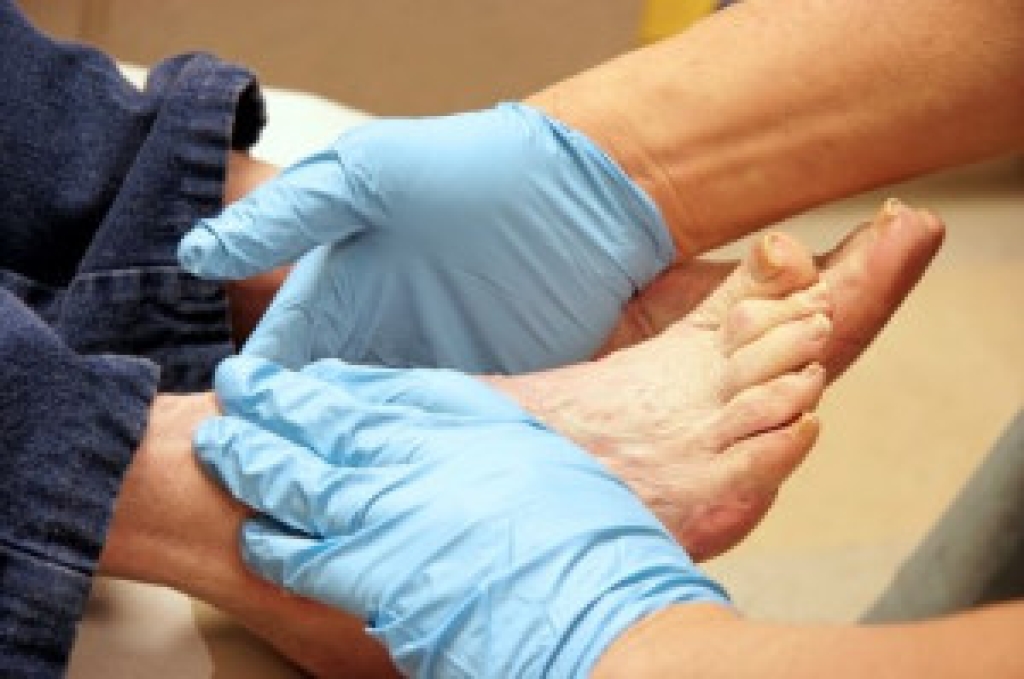
Diabetes can increase the risk of developing foot problems because high blood sugar levels may affect nerves, circulation, and the body’s ability to heal. Diabetic foot problems can include numbness, infections, and ulcers that may become serious without proper care. Nerve damage, known as diabetic neuropathy, can reduce sensation in the feet, making it harder to notice small cuts or injuries. Reduced circulation can also slow healing and increase the chance of complications. Maintaining proper foot care is an important part of managing diabetes and protecting long term foot health.
Symptoms of diabetic foot problems may include tingling, burning sensations, and changes in the appearance of the feet. Some individuals may notice sores, cuts, or areas of irritation that do not heal normally. Because nerve damage can reduce feeling, a person may not feel pain from an injury until it becomes more advanced. Regular foot checks are important for identifying concerns early and preventing minor problems from becoming more severe.
Proper diabetic foot care begins with simple daily habits. Washing the feet every day with mild soap and warm water helps remove bacteria and reduce the risk of infection. Toenails should be trimmed carefully to prevent sharp edges or ingrown toenails. Checking the feet daily for sores, cuts, or changes in skin color can help identify problems before they worsen. Wearing shoes that fit well and provide proper support can also reduce pressure and protect the feet from injury.
Several risk factors can increase the chance of diabetic foot complications, including poor blood sugar control, long term diabetes, and smoking. Poor circulation and a history of foot ulcers may also be other risk factors. Wearing shoes that are too tight or walking barefoot can increase the risk of injury. If you have diabetes and have developed foot problems, it is suggested that you consult a podiatrist who can help you to manage this serious condition through routine visits.
Diabetic foot care is important in preventing foot ailments such as ulcers. If you are suffering from diabetes or have any other concerns about your feet, contact one of our podiatrists from Redwood Podiatry Group. Our doctors can provide the care you need to keep you pain-free and on your feet.
Diabetic Foot Care
Diabetes affects millions of people every year. The condition can damage blood vessels in many parts of the body, especially the feet. Because of this, taking care of your feet is essential if you have diabetes, and having a podiatrist help monitor your foot health is highly recommended.
The Importance of Caring for Your Feet
Patients with diabetes should have their doctor monitor their blood levels, as blood sugar levels play such a huge role in diabetic care. Monitoring these levels on a regular basis is highly advised.
It is always best to inform your healthcare professional of any concerns you may have regarding your feet, especially for diabetic patients. Early treatment and routine foot examinations are keys to maintaining proper health, especially because severe complications can arise if proper treatment is not applied.
If you have any questions, please feel free to contact our offices located in Eureka and Arcata, CA . We offer the newest diagnostic and treatment technologies for all your foot care needs.

Unexplained ankle pain that develops without injury is often linked to internal conditions rather than external trauma. This type of pain may appear suddenly and interfere with daily activities, such as walking or standing. It is commonly associated with arthritis, autoimmune diseases, and biomechanical imbalances in the feet. These conditions can affect the ankle joint over time, even without a noticeable event. Recognizing the possible causes helps patients seek timely care and prevent further complications.
Symptoms depend on the condition affecting the ankle. Arthritis typically is noticeable with joint stiffness, swelling, and a gradual loss of flexibility. Autoimmune-related ankle pain may include redness, warmth, and ongoing inflammation that does not improve with rest. Foot alignment problems can lead to uneven weight distribution, causing pain during movement and a feeling of weakness in the ankle. Some individuals also report tenderness, mild swelling, or difficulty bearing weight. These signs should not be ignored, especially if they persist.
Risk factors include age-related joint changes, a history of autoimmune disease, and structural foot abnormalities. Individuals with flat feet or high arches are more likely to develop alignment issues that stress the ankle joint. Previous injuries can also increase vulnerability, even if symptoms were absent for years. The underlying causes often involve inflammation, cartilage breakdown, or improper joint mechanics. These factors can gradually lead to pain that appears without a clear trigger.
Managing unexplained ankle pain involves supportive care and medical evaluation. Wearing properly fitted shoes can improve stability and reduce strain on the joint. Maintaining joint flexibility and strength may also help prevent worsening symptoms. Early diagnosis allows for targeted treatment that may include orthotics or other therapies. If you have sudden ankle pain without injury, it is suggested that you visit a podiatrist for a thorough evaluation and appropriate treatment plan.
Ankle pain can have many different causes and the pain may potentially be serious. If you have ankle pain, consult with one of our podiatrists from Redwood Podiatry Group. Our doctors will assess your condition and provide you with quality foot and ankle treatment.
Ankle pain is any condition that causes pain in the ankle. Due to the fact that the ankle consists of tendons, muscles, bones, and ligaments, ankle pain can come from a number of different conditions.
Causes
The most common causes of ankle pain include:
Symptoms
Symptoms of ankle injury vary based upon the condition. Pain may include general pain and discomfort, swelling, aching, redness, bruising, burning or stabbing sensations, and/or loss of sensation.
Diagnosis
Due to the wide variety of potential causes of ankle pain, podiatrists will utilize a number of different methods to properly diagnose ankle pain. This can include asking for personal and family medical histories and of any recent injuries. Further diagnosis may include sensation tests, a physical examination, and potentially x-rays or other imaging tests.
Treatment
Just as the range of causes varies widely, so do treatments. Some more common treatments are rest, ice packs, keeping pressure off the foot, orthotics and braces, medication for inflammation and pain, and surgery.
If you have any questions please feel free to contact our offices located in Eureka and Arcata, CA . We offer the newest diagnostic tools and technology to treat your foot and ankle needs.
Connect With Us
