
Do you suffer from heel pain when you get up in the morning? If so, you should seek professional help and have a proper diagnosis performed. Heel pain can be caused by several different foot-related conditions.
Do you suffer from heel pain when you get up in the morning? If so, you should seek professional help and have a proper diagnosis performed. Heel pain can be caused by several different foot-related conditions.

Extra body weight places greater pressure on the feet with every step. This added stress can affect bones, joints, muscles, and soft tissues, making daily movement more difficult. People who are obese are more likely to experience heel pain, arch pain, and discomfort in the ball of the foot. The extra force can also change the way the feet move while walking, increasing strain on important structures that support the foot. Foot pain can make staying active more challenging, creating a cycle that affects both mobility and overall health. Research also shows that obesity is linked to reduced balance and higher pressure across the bottom of the feet, especially in weight-bearing areas. These changes can reduce comfort and increase fatigue throughout the day.
Obesity can also increase the risk of foot conditions that interfere with normal movement. Flat feet can become more noticeable because added weight places greater stress on the arch. Plantar fasciitis, which causes pain near the heel, can also develop from repeated strain. Arthritis can become more painful because the joints carry heavier loads while walking. A podiatrist carefully examines the feet, evaluates walking patterns, and identifies areas receiving too much pressure. This detailed assessment helps guide treatment that supports healthier foot function. Shoes that lack proper support can increase discomfort and reduce stability, making proper shoe selection an important part of care.
A podiatrist creates a treatment plan based on each patient's symptoms, foot structure, and daily activities. Treatment includes custom orthotics, wearing supportive shoes, and regular monitoring of foot health. Orthotics improve foot alignment and reduce pressure on painful areas. Regular evaluations help identify changes before problems become more serious. Early care can improve comfort, increase stability, and help people move with greater confidence. If you have symptoms of foot pain related to obesity, it is suggested that you schedule an appointment with a podiatrist for effective relief and treatment solutions.
Obesity has become very problematic at this point in time and can have extremely negative effects on the feet. If you’re an obese individual and are concerned about your feet, contact one of our podiatrists from Redwood Podiatry Group. Our doctors can provide the care you need to keep you pain-free and on your feet.
Obesity and Your Feet
Since your feet are what support your entire weight when standing, any additional weight can result in pain and swelling. Being overweight is one of the main contributors to foot complications.
Problems & Complications
Extra Weight – Even putting on just a few extra pounds could create serious complications for your feet. As your weight increases, your balance and body will shift, creating new stresses on your feet. This uneven weight distribution can cause pain, even while doing the simplest tasks, such as walking.
Diabetes – People who are overweight are at serious risk of developing type-2 diabetes, which has a drastic impact on the health of your feet. As you get older, your diabetes might worsen, which could lead to loss of feeling in your feet, sores, and bruises. You could also become more prone to various infections.
Plantar fasciitis – Pressure and stress that is placed on muscles, joints, and tendons can trigger plantar fasciitis, which is an inflammation of tissue that forms along the bottom of the foot.
If you have any questions, please feel free to contact our offices located in Eureka and Arcata, CA . We offer the newest diagnostic and treatment technologies for all your foot care needs.

The Achilles tendon is the strong band of tissue that connects the calf muscles to the heel bone. It plays an important role while walking, running, and pushing off the foot. When this tendon becomes irritated, stretched, or torn, it can make everyday movement painful. Achilles tendon injuries can develop from repeated stress on the tendon or from a sudden movement that places too much force on it. The risk also increases when the calf muscles are tight or when wearing shoes that lack proper support. Pain usually develops at the back of the ankle or just above the heel. Swelling, stiffness, and tenderness also are common. Some patients notice pain at the beginning of activity that becomes worse after continued movement. A complete tear can cause a popping sensation followed by severe pain and weakness.
A podiatrist performs a thorough examination to identify the type and severity of the injury. The evaluation includes checking the foot and ankle for swelling, tenderness, and range of motion. The podiatrist also observes how the patient stands and walks to identify changes caused by the injured tendon. Imaging tests, like ultrasound or MRI scans, provide a clear view of the tendon and help confirm a partial or complete tear. Finding the injury early helps prevent additional damage and allows treatment to begin before the condition becomes more serious.
Treatment depends on the condition of the tendon and the patient's activity level. A podiatrist develops a treatment plan that reduces stress on the tendon while helping restore strength and flexibility. Care includes custom orthotics to improve foot support and reduce strain on the tendon. It also includes guided stretching and strengthening exercises. If you have symptoms of an Achilles tendon injuries, it is suggested that you schedule an appointment with a podiatrist for a diagnosis and appropriate treatment solutions.
Achilles tendon injuries need immediate attention to avoid future complications. If you have any concerns, contact one of our podiatrists of Redwood Podiatry Group. Our doctors can provide the care you need to keep you pain-free and on your feet.
What Is the Achilles Tendon?
The Achilles tendon is a tendon that connects the lower leg muscles and calf to the heel of the foot. It is the strongest tendon in the human body and is essential for making movement possible. Because this tendon is such an integral part of the body, any injuries to it can create immense difficulties and should immediately be presented to a doctor.
What Are the Symptoms of an Achilles Tendon Injury?
There are various types of injuries that can affect the Achilles tendon. The two most common injuries are Achilles tendinitis and ruptures of the tendon.
Achilles Tendinitis Symptoms
Rupture Symptoms
Treatment and Prevention
Achilles tendon injuries are diagnosed by a thorough physical evaluation, which can include an MRI. Treatment involves rest, physical therapy, and in some cases, surgery. However, various preventative measures can be taken to avoid these injuries, such as:
If you have any questions please feel free to contact our offices located in Eureka and Arcata, CA . We offer the newest diagnostic tools and technology to treat your foot and ankle needs.
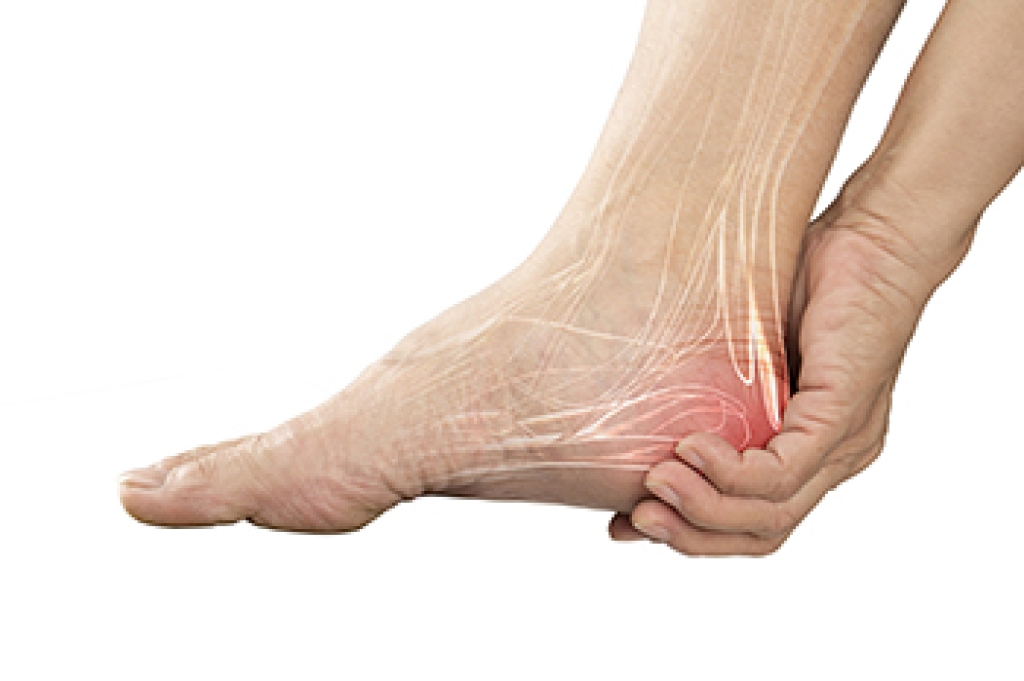
Heel pain is not always caused by overuse or injury. In some cases, it may be a sign of ankylosing spondylitis, a chronic inflammatory disease classified as a type of arthritis. This condition leads to enthesitis, which is inflammation at the points where tendons and ligaments attach to bone. In the foot, the most commonly affected areas include the Achilles tendon and the plantar fascia, both of which play a major role in movement and support.
Symptoms of inflammatory heel pain often differ from typical strain-related discomfort. Patients may notice persistent pain that is worse after rest and improves slightly with activity. The back of the heel may feel sore due to Achilles tendon involvement, while the underside of the heel may be tender from plantar fascia inflammation. Swelling and stiffness can make walking uncomfortable, especially during the early part of the day or after long periods of inactivity.
The causes of this condition are linked to immune system activity rather than physical stress alone. Ankylosing spondylitis triggers inflammation at tendon and ligament attachment sites, leading to pain and irritation. While the exact cause is not fully understood, genetic factors and immune responses play a significant role. Because the heel absorbs repeated pressure throughout the day, it is often one of the first areas where symptoms appear.
Risk factors include a family history of inflammatory arthritis, early adulthood onset, and ongoing joint stiffness. Identifying symptoms early allows for better management and improved outcomes. Supportive care and medical evaluation are key components of treatment. If you have heel pain or symptoms of ankylosing spondylitis, it is suggested that you consult a podiatrist for an accurate diagnosis and effective relief and treatment solutions.
Many people suffer from bouts of heel pain. For more information, contact one of our podiatrists of Redwood Podiatry Group. Our doctors can provide the care you need to keep you pain-free and on your feet.
Causes of Heel Pain
Heel pain is often associated with plantar fasciitis. The plantar fascia is a band of tissues that extends along the bottom of the foot. A rip or tear in this ligament can cause inflammation of the tissue.
Achilles tendonitis is another cause of heel pain. Inflammation of the Achilles tendon will cause pain from fractures and muscle tearing. Lack of flexibility is also another symptom.
Heel spurs are another cause of pain. When the tissues of the plantar fascia undergo a great deal of stress, it can lead to ligament separation from the heel bone, causing heel spurs.
Why Might Heel Pain Occur?
Treatments
Heel pain should be treated as soon as possible for immediate results. Keeping your feet in a stress-free environment will help. If you suffer from Achilles tendonitis or plantar fasciitis, applying ice will reduce the swelling. Stretching before an exercise like running will help the muscles. Using all these tips will help make heel pain a condition of the past.
If you have any questions, please feel free to contact our offices located in Eureka and Arcata, CA . We offer the newest diagnostic and treatment technologies for all your foot care needs.
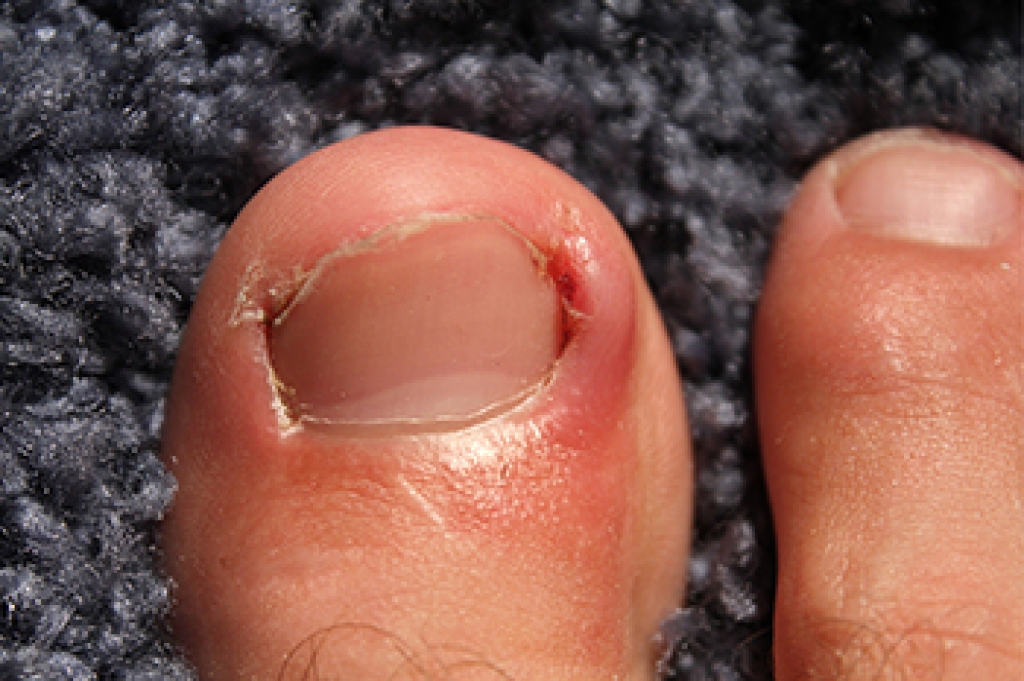
Ingrown toenails develop when the edge of a toenail grows into the surrounding skin instead of over it. The problem usually affects the big toe and can become painful as the nail presses deeper into the skin. Redness, swelling, and tenderness frequently appear along the side of the nail. As the condition worsens, drainage or signs of infection can develop. Several factors increase the risk of an ingrown toenail, including trimming the nails too short, toe injuries, and wearing shoes that squeeze the toes together. Some people are also born with nails that naturally curve more than usual, making ingrown toenails more likely.
A podiatrist can determine how deeply the nail has grown into the skin and whether an infection is present. During the examination, the podiatrist checks the nail, the surrounding skin, and the overall health of the foot. Patients with diabetes, poor circulation, or reduced feeling in their feet should seek prompt care because even a small nail problem can become more serious. When an infection is present, the podiatrist develops a treatment plan to control the infection while addressing the ingrown nail. This approach helps relieve pain and supports healthy healing.
Treatment depends on the severity of the ingrown toenail. A podiatrist can carefully remove the part of the nail that is growing into the skin. For patients with repeated ingrown toenails, a simple office procedure can remove part of the nail and treat the nail root to reduce the chance of the problem returning. In severe cases, more of the nail is removed to restore comfort and protect the toe. A podiatrist can also recommend shoes that provide proper support and enough room for the toes to reduce pressure on the affected nail. If you have symptoms of an ingrown toenail, it is suggested that you schedule an appointment with a podiatrist for diagnosis and appropriate treatment, which may include minor surgery.
Ingrown toenails may initially present themselves as a minor discomfort, but they may progress into an infection in the skin without proper treatment. For more information about ingrown toenails, contact one of our podiatrists of Redwood Podiatry Group. Our doctors can provide the care you need to keep you pain-free and on your feet.
Ingrown Toenails
Ingrown toenails are caused when the corner or side of a toenail grows into the soft flesh surrounding it. They often result in redness, swelling, pain, and in some cases, infection. This condition typically affects the big toe and may recur if it is not treated properly.
Causes
You are more likely to develop an ingrown toenail if you are obese, have diabetes, arthritis, or have any fungal infection in your nails. Additionally, people who have foot or toe deformities are at a higher risk of developing an ingrown toenail.
Symptoms
Some symptoms of ingrown toenails are redness, swelling, and pain. In rare cases, there may be a yellowish drainage coming from the nail.
Treatment
Ignoring an ingrown toenail can have serious complications. Infections of the nail border can progress to a deeper soft-tissue infection, which can then turn into a bone infection. You should always speak with your podiatrist if you suspect you have an ingrown toenail, especially if you have diabetes or poor circulation.
If you have any questions, please feel free to contact our offices located in Eureka and Arcata, CA . We offer the newest diagnostic and treatment technologies for all your foot care needs.
Connect With Us
