How High Heels Impact Feet

High heels, while undoubtedly stylish, come with a hidden price tag that affects our feet, which are the foundation of our body. These chic yet often uncomfortable footwear choices can lead to a cascade of issues. The elevated heel forces the body's weight forward, disrupting the natural alignment of the spine, possibly causing lower back pain. Additionally, toes are crammed into tight spaces, and may lead to deformities such as bunions and hammertoes. The lack of proper arch support strains the feet's ligaments and tendons, contributing to plantar fasciitis and Achilles tendonitis. Prolonged wear can result in shortened calf muscles, impacting overall gait and stability. Recognizing how wearing high heels can negatively affect the feet may cause an individual to try different footwear. If you would like more information about the effects high heels can have on the feet, it is suggested that you speak with a podiatrist who can address any questions or concerns you may have.

High heels have a history of causing foot and ankle problems. If you have any concerns about your feet or ankles, contact one of our podiatrists from Redwood Podiatry Group. Our doctors can provide the care you need to keep you pain-free and on your feet.

Effects of High Heels on the Feet

High heels are popular shoes among women because of their many styles and societal appeal.  Despite this, high heels can still cause many health problems if worn too frequently.

Which Parts of My Body Will Be Affected by High Heels?

  • Ankle Joints
  • Achilles Tendon – May shorten and stiffen with prolonged wear
  • Balls of the Feet
  • Knees – Heels cause the knees to bend constantly, creating stress on them
  • Back – They decrease the spine’s ability to absorb shock, which may lead to back pain.  The vertebrae of the lower back may compress.

What Kinds of Foot Problems Can Develop from Wearing High Heels?

  • Corns
  • Calluses
  • Hammertoe
  • Bunions
  • Morton’s Neuroma
  • Plantar Fasciitis

How Can I Still Wear High Heels and Maintain Foot Health?

If you want to wear high heeled shoes, make sure that you are not wearing them every day, as this will help prevent long term physical problems.  Try wearing thicker heels as opposed to stilettos to distribute weight more evenly across the feet.  Always make sure you are wearing the proper shoes for the right occasion, such as sneakers for exercising.  If you walk to work, try carrying your heels with you and changing into them once you arrive at work.  Adding inserts to your heels can help cushion your feet and absorb shock. Full foot inserts or metatarsal pads are available. 

If you have any questions, please feel free to contact our offices located in Eureka and Arcata, CA . We offer the newest diagnostic and treatment technologies for all your foot care needs.

Read more about Why High Heels Are Not Ideal for Healthy Feet

Causes, Symptoms, and Relief Options for Heel Spurs

Heel spurs, those tiny bony protrusions at the base of the heel, can spark significant discomfort and hinder daily activities. Heel spurs occur as a result of calcium deposits accumulating over time, often caused by strains on the foot's ligaments and muscles. Individuals who engage in repetitive activities or those with flat feet are particularly susceptible. Symptoms include sharp pain, especially while walking or when standing after rest, in addition to tenderness and inflammation. Understanding the underlying causes is pivotal for addressing heel spurs. Treatments encompass a range of approaches that can range from rest, wearing orthotic inserts to taking anti-inflammatory medications. In more severe cases, medical interventions such as surgery may be considered. With proper care and treatment, individuals can regain comfort and resume daily activities. If you have developed a heel spur, it is strongly suggested that you are under the care of a podiatrist who can effectively diagnose and treat this ailment.

Heel spurs can be incredibly painful and sometimes may make you unable to participate in physical activities. To get medical care for your heel spurs, contact one of our podiatrists from Redwood Podiatry Group. Our doctors will do everything possible to treat your condition.

Heels Spurs

Heel spurs are formed by calcium deposits on the back of the foot where the heel is. This can also be caused by small fragments of bone breaking off one section of the foot, attaching onto the back of the foot. Heel spurs can also be bone growth on the back of the foot and may grow in the direction of the arch of the foot.

Older individuals usually suffer from heel spurs and pain sometimes intensifies with age. One of the main condition's spurs are related to is plantar fasciitis.

Pain

The pain associated with spurs is often because of weight placed on the feet. When someone is walking, their entire weight is concentrated on the feet. Bone spurs then have the tendency to affect other bones and tissues around the foot. As the pain continues, the feet will become tender and sensitive over time.

Treatments

There are many ways to treat heel spurs. If one is suffering from heel spurs in conjunction with pain, there are several methods for healing. Medication, surgery, and herbal care are some options.

If you have any questions, please feel free to contact our offices located in Eureka and Arcata, CA . We offer the newest diagnostic and treatment technologies for all your foot care needs.
Read more about Heel Spurs

Unraveling the Causes of Bunions

Bunions, also known as hallux valgus, are bony bumps that form at the base of the big toe. This condition occurs when the big toe pushes against the adjacent toe, causing the joint to move out of alignment. There are various reasons why bunions can develop. Genetics play a significant role, as individuals with a family history of bunions are more likely to develop them. Wearing ill-fitting shoes, especially those with narrow toe boxes, can exacerbate the condition. As bunions progress, symptoms become more pronounced. Common signs include pain, swelling, redness, and stiffness around the affected joint. Corns and calluses may develop due to friction from overlapping toes. As a bunion worsens, the shape of the foot may change, possibly affecting balance and walking patterns. Early detection and appropriate measures, such as wearing supportive footwear and using padding or orthotic inserts, can help manage symptoms and prevent further deformity. If you have a bunion, it is strongly suggested that you visit a podiatrist who can provide you with relief and treatment options that are right for you.

If you are suffering from bunions, contact one of our podiatrists of Redwood Podiatry Group. Our doctors can provide the care you need to keep you pain-free and on your feet.

What Is a Bunion?

A bunion is formed of swollen tissue or an enlargement of boney growth, usually located at the base joint of the toe that connects to the foot. The swelling occurs due to the bones in the big toe shifting inward, which impacts the other toes of the foot. This causes the area around the base of the big toe to become inflamed and painful.

Why Do Bunions Form?

Genetics – Susceptibility to bunions are often hereditary

Stress on the feet – Poorly fitted and uncomfortable footwear that places stress on feet, such as heels, can worsen existing bunions

How Are Bunions Diagnosed?

Podiatrists often perform two tests – blood tests and x-rays – when trying to diagnose bunions, especially in the early stages of development. Blood tests help determine if the foot pain is being caused by something else, such as arthritis, while x-rays provide a clear picture of your bone structure to your provider.

How Are Bunions Treated?

  • Refrain from wearing heels or similar shoes that cause discomfort
  • Select wider shoes that can provide more comfort and reduce pain
  • Anti-inflammatory and pain management drugs
  • Orthotics or foot inserts
  • Surgery

If you have any questions, please feel free to contact our offices located in Eureka and Arcata, CA . We offer the newest diagnostic and treatment technologies for all your foot care needs.

Read more about What Are Bunions?

Definition and Causes of Foot Blisters

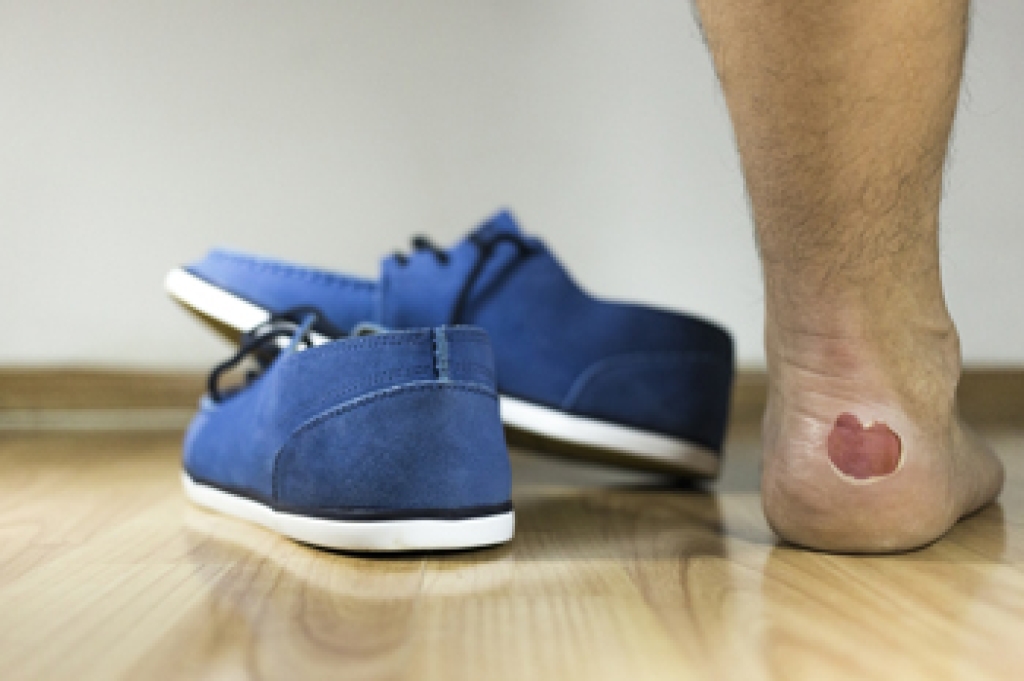
Blisters on the feet appear to be bubbles that are filled with liquid. This can cause irritation and can easily put a damper on our active lives. Understanding their causes can empower us to take better care of our feet. Foot blisters are small, fluid-filled sacs that form on the outermost layer of our skin, resulting from friction, pressure, or irritation. When our skin is subjected to repetitive rubbing against surfaces such as shoes or socks, it responds by separating its layers and accumulating fluid, forming a blister. Friction is the primary cause of foot blisters, especially when ill-fitting shoes or rigorous activities cause excessive rubbing. Additionally, prolonged exposure to moisture from sweat can weaken the skin's protective barrier, making it more susceptible to blisters. High temperatures can also exacerbate friction and contribute to blister development. By understanding the definition and causes of foot blisters, there are proactive measures that can be taken to prevent them. Properly fitting footwear, moisture management, and good foot hygiene can keep these bothersome blisters at bay, allowing us to stay active and comfortable on our feet. It is suggested that you consult with a podiatrist if you are seeking additional prevention techniques for blisters on the feet.

Blisters may appear as a single bubble or in a cluster. They can cause a lot of pain and may be filled with pus, blood, or watery serum. If your feet are hurting, contact one of our podiatrists of Redwood Podiatry Group. Our doctors can provide the care you need to keep you pain-free and on your feet.

Foot Blisters

Foot blisters are often the result of friction. This happens due to the constant rubbing from shoes, which can lead to pain.

What Are Foot Blisters?

A foot blister is a small fluid-filled pocket that forms on the upper-most layer of the skin. Blisters are filled with clear fluid and can lead to blood drainage or pus if the area becomes infected.

Symptoms

(Blister symptoms may vary depending on what is causing them)

  • Bubble of skin filled with fluid
  • Redness
  • Moderate to severe pain
  • Itching

Prevention & Treatment

In order to prevent blisters, you should be sure to wear comfortable shoes with socks that cushion your feet and absorb sweat. Breaking a blister open may increase your chances of developing an infection. However, if your blister breaks, you should wash the area with soap and water immediately and then apply a bandage to the affected area. If your blisters cause severe pain it is important that you call your podiatrist right away.

If you have any questions, please feel free to contact our offices located in Eureka and Arcata, CA . We offer the newest diagnostic and treatment technologies for all your foot care needs.

Read more about Blisters

Are You Suffering From Nerve Damage?

Neuropathy is a condition that can lead to numbness or loss of sensation in the feet, but it can also cause pain. This condition is more likely to develop for those who are diabetic, obese, or with high blood pressure.

Connect With Us